Airside & Ground Operations
To design operations that is efficient, safe and continuously improving, establishing KSIA as the benchmark for how a modern airport operates from the ground up.
Why it matters
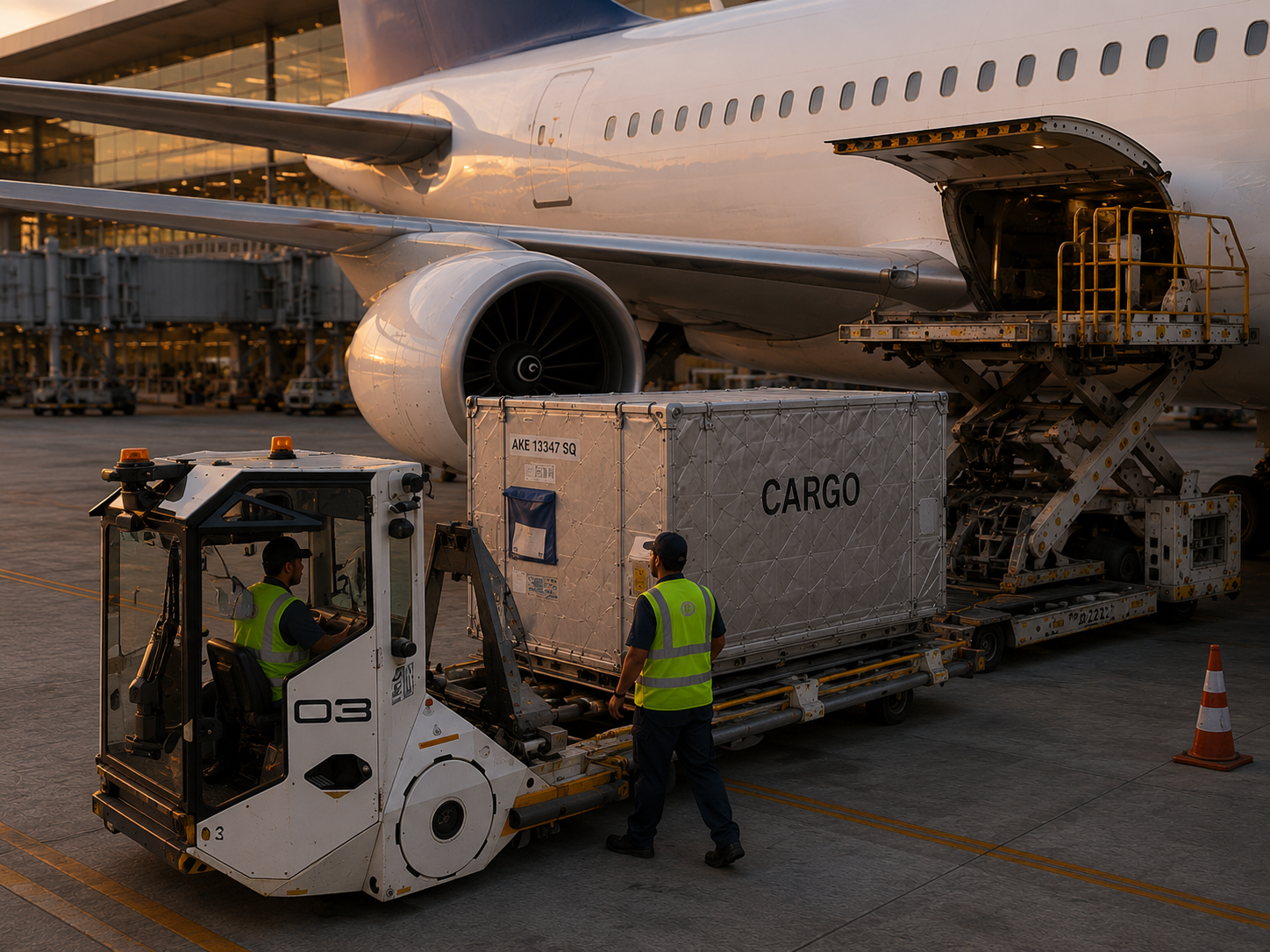
The economics of aviation are unforgiving. A delayed turnaround ripples forward through an entire day of operations, affecting airlines, guests and revenue in ways that compound quickly. At the same time, the airside environment is one of the most complex operational theatres in existence, dozens of parties, hundreds of moving assets, and zero tolerance for error.
For KSIA, this complexity is live and growing.
New terminals, expanding route networks and increasing passenger volumes mean the airside must perform at the highest level while simultaneously building the capability to scale.
Airport Operations & Passenger Targets
Central to the airport operations objective (4), building an efficient, safe and high-performing airside that achieves the SAR 41 OpEx per passenger target and sustains above 90% on-time performance
Operational Reliability & Credibility
Supports the supply and demand objective (1), operational reliability is what makes KSIA credible to airlines, and credibility with airlines is what drives the route growth needed to reach 85 million passengers by 2030
Airside Sustainability & Safety
Underpins the sustainability and HSSE objective (6) by driving measurable reductions in ground-level emissions, fuel consumption and safety incidents across airside operations
The problems worth solving
With growing needs and finite resource, we cannot address everything at once. We recommend the innovation team focuses on known problems with unknown solutions: where urgency is clear but the answer is not yet fixed.
How to get started
Simulate before you operate
Invite ground handlers into a joint turnaround simulation, find the coordination failures in a controlled environment before they happen on the apron.
Audit airside technology readiness
Map where KSIA's current infrastructure and data capability enables or limits the operational ambitions of the strategy before committing to investment decisions.
Set the safety and operational baseline
Bring in an independent assessor to define the risk and performance standards the airside operation will be held to from day one.
Where we could start
Three directional concepts, showing what an innovation response could look like in practice. Not final specifications, but grounded starting points: enough to align on the problem being solved, the experience being created, and the outcomes we would expect to see if it works.
01
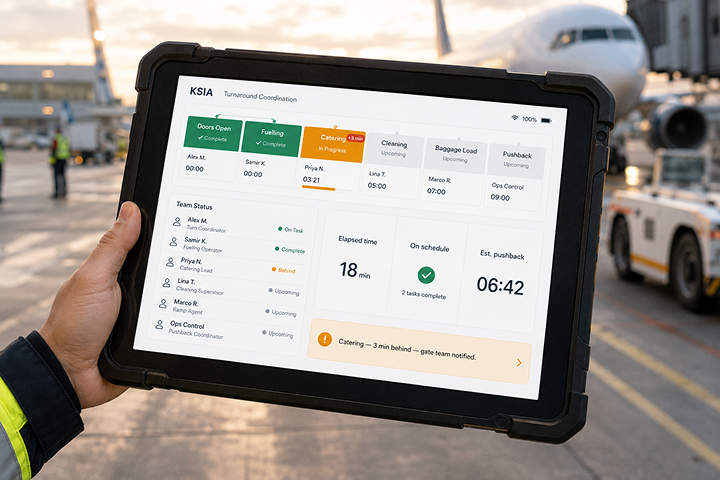
Unified turnaround coordination
A shared digital operations layer that gives every party involved in an aircraft turnaround a single real-time view of the process, surfacing delays and dependencies the moment they emerge rather than after they have already caused disruption.
Benefits
KPIs Influenced
02
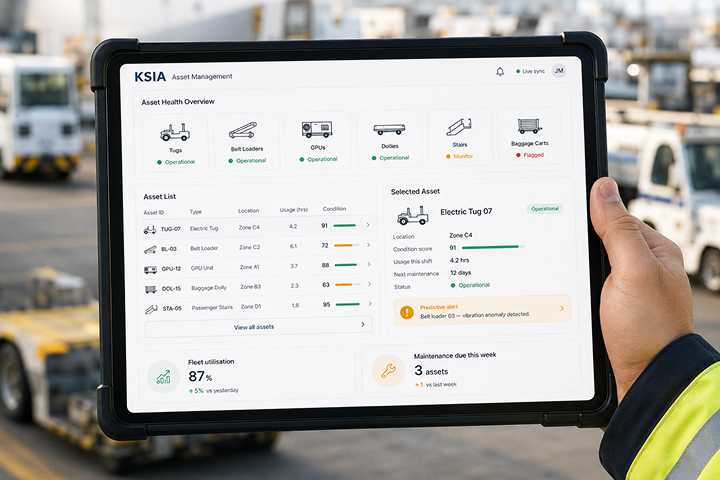
Intelligent asset and facility management
A connected layer across all ground vehicles, equipment and facilities that tracks location, condition and usage in real time, giving KSIA complete visibility of every asset and the intelligence to maintain, deploy and replace it before problems occur.
Benefits
KPIs Influenced
03
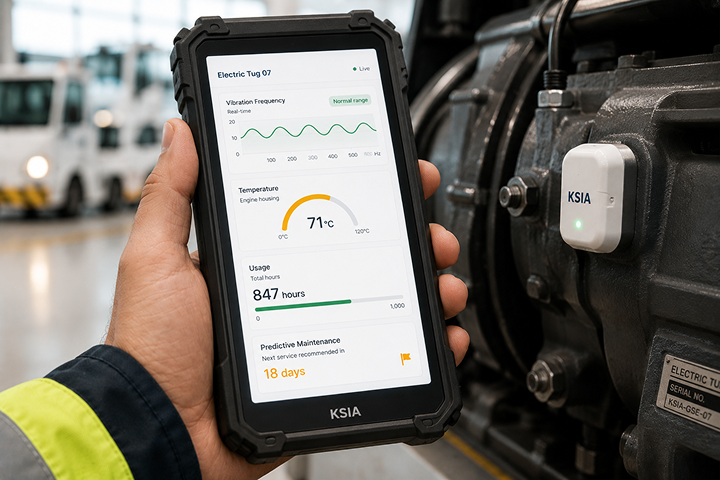
Ground equipment performance sensing
A sensor network across KSIA's ground equipment fleet that captures real-time utilisation, condition and performance data, enabling maintenance decisions driven by actual wear and a continuous improvement loop that reduces both cost and downtime.
Benefits
KPIs Influenced